

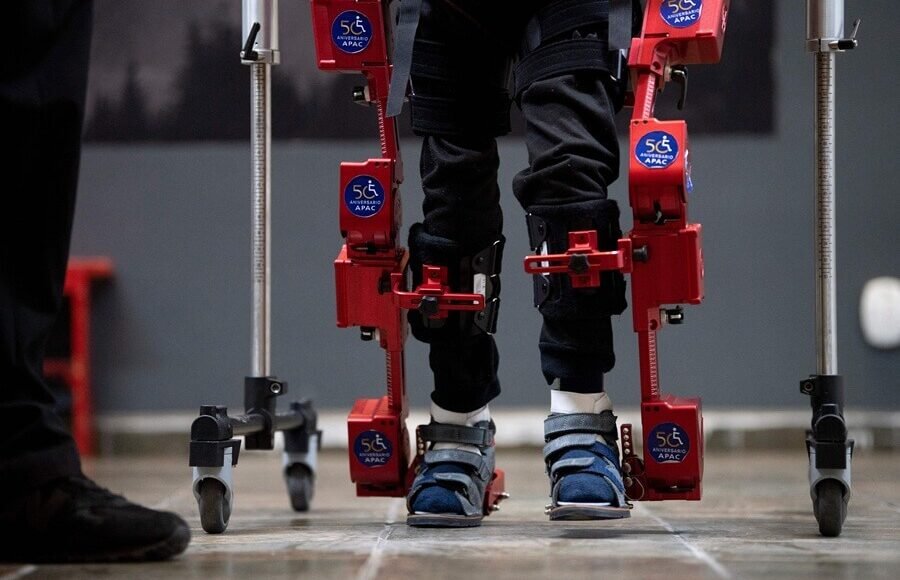
There’s no single figure that applies to every cerebral palsy claim. Compensation depends entirely on the severity of the condition, the care a child will need throughout their life, and the specific circumstances that led to the diagnosis. Settlements can range from tens of thousands of pounds for milder cases to several million for the most severe, and understanding how that figure is actually built up matters more than any single average.
How Compensation is Assessed?
Cerebral palsy compensation is generally made up of two parts. General damages cover the pain, suffering, and loss of quality of life caused by the condition itself. Special damages cover the practical, financial side: the cost of care, equipment, therapy, home adaptations, and lost earnings, both for the child and often for a parent who has had to reduce their working hours or leave employment entirely to provide care. In most cerebral palsy cases, special damages make up the larger portion of the total settlement by a significant margin, since lifelong care costs tend to dwarf the general damages element.
Is There a Time Limit to Claim?
This is one of the most important things to understand early on, and it’s more reassuring than most families expect. Where a claim is being made on behalf of a child, there’s no immediate time pressure. A parent or guardian can bring a claim at any point while the child is under 18. The standard three-year limitation period for medical negligence claims doesn’t start running until the child’s 18th birthday, meaning they then have until they turn 21 to bring a claim themselves if one hasn’t already been made on their behalf.
There’s a further exception worth knowing. If the person lacks the mental capacity to manage their own affairs, the time limit may not apply at all, potentially leaving the door open well beyond age 21. That said, starting the process earlier rather than later still helps, since these cases rely heavily on medical records, expert evidence, and witness recollection, all of which become harder to gather the more time passes.
What Compensation Can Actually Cover?
The financial side of a cerebral palsy claim tends to include:
- Ongoing care costs, whether provided by professional carers or family members
- Home adaptations or the cost of moving to more suitable accommodation
- Specialist equipment, including wheelchairs, communication aids, and mobility devices
- Therapy and treatment costs, such as physiotherapy and occupational therapy
- Educational costs, including specialist schooling where needed
- Loss of earnings, both the child’s future earning capacity and a parent’s lost income from providing care
Average Settlement Figures
Every case is genuinely different, but broad ranges give a sense of scale. Milder cases, where daily life, mobility, and independence are only moderately affected, tend to settle somewhere between £50,000 and £300,000. Moderate cases requiring ongoing support often fall between £300,000 and £2 million. The most severe cases, involving full-time care and lifelong specialist support, regularly exceed £2 million, and in the most complex cases can reach £10 million or more. These figures are indicative only. The actual value of any individual claim depends entirely on the specific facts and long-term needs involved.
Lump Sum or Periodical Payments? The PPO Explained

Large cerebral palsy settlements aren’t always paid as a single lump sum, and in practice, they often shouldn’t be. A periodical payment order, or PPO, provides guaranteed annual payments for the rest of the claimant’s life, usually to cover ongoing care costs specifically, alongside a lump sum for one-off expenses like home adaptations or a specialist vehicle. The advantage of a PPO is certainty. A large lump sum has to be managed and invested carefully to last a lifetime, and if life expectancy turns out to be longer than predicted, or investment returns underperform, the money can run short. A PPO removes that risk for the portion it covers, since the payments continue for as long as the person needs them, regardless of how long that turns out to be. PPOs are also typically index-linked, meaning the annual amount rises over time in line with actual care costs, rather than staying fixed at the original figure while real-world costs, particularly carer wages, continue to climb. Many settlements now combine both approaches deliberately, a lump sum for flexibility, and PPOs for the security of ongoing care.
Seeing a PPO Settlement in Real Terms
A typical high-value case might combine a lump sum of several million pounds, covering a suitably adapted home, a vehicle, and a financial buffer for one-off needs, with an index-linked PPO of several hundred thousand pounds a year specifically for care. Rather than the family having to calculate and manage decades of future care costs themselves within a single upfront figure, the PPO simply continues each year, rising as costs rise, for as long as the child needs that level of support. This is precisely why PPOs have become the standard structure for the most severe cases, they remove a significant source of financial anxiety from a situation that already carries enough uncertainty.
Interim Payments While a Claim is Ongoing
Cerebral palsy claims can take years to resolve, given how much medical evidence needs to be gathered and assessed. While a case is progressing, interim payments can often be secured, partial advances against the eventual settlement that let a family cover immediate care, therapy, or equipment costs without waiting for the case to fully conclude. This matters in practice, since a young child’s development doesn’t pause while a legal case works its way through the system.
The NHS Early Notification Scheme
Where cerebral palsy results from an injury during birth, it’s worth knowing that the NHS runs a scheme specifically designed to investigate these cases early. The Early Notification Scheme requires certain birth-related brain injuries to be reported and investigated by NHS Resolution shortly after they occur, rather than waiting for a family to bring a formal claim themselves. Suing a hospital for birth injury negligence more broadly follows the same underlying principle, early investigation and honest acknowledgment of what happened tend to produce better outcomes for families than a drawn-out dispute. In some cases, this early process can mean liability is acknowledged, and support put in place, considerably sooner than the traditional claims process would otherwise allow.
What to Do If You’re Considering a Claim?
- Speak to a solicitor who specialises specifically in cerebral palsy or birth injury claims, since these cases require particular medical and legal expertise
- Gather what records you already have, maternity notes, hospital discharge summaries, and any correspondence with NHS Resolution
- Ask about interim payments early if your child needs immediate care, equipment, or therapy
- Don’t feel pressured by the time limit if your child is still under 18, but don’t delay unnecessarily either, since evidence is easier to gather sooner rather than later
Quick Answers!
These are complex cases, and settlement can often take several years, particularly where the full extent of a child’s needs only becomes clear as they grow older.
Yes, provided it’s within three years of their 18th birthday, or longer if they lack the mental capacity to bring a claim themselves.
A parent, guardian, or appointed deputy can act on their behalf, and in these circumstances the usual time limit may not apply in the same way.
No, a compensation claim is entirely separate from your child’s ongoing treatment and support, and pursuing one has no bearing on the care they continue to receive.