

The Public and Commercial Services union (PCS) will ballot its civil service members on strike action and action short of strike from 20 October to 1 December 2026. No strike dates have been set, and none can be until the ballot closes and the union gives notice. PCS members across 138 employers will vote from […]

The Employment Rights Act 2025 changes how employers in Great Britain have to deal with workplace harassment. It tightens a duty that has applied since October 2024, and it adds a form of liability that employers have not faced for more than ten years: responsibility for harassment of staff by people from outside the business. […]
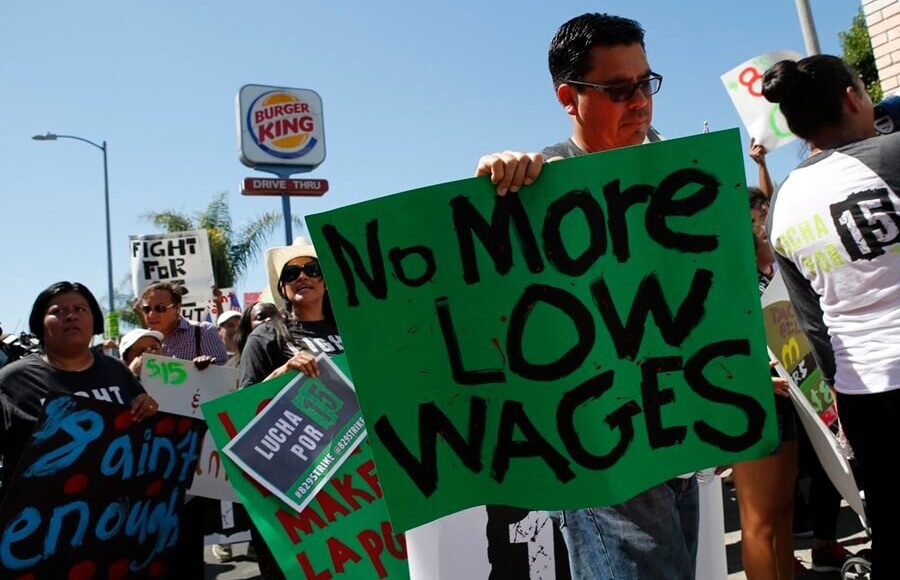
The National Minimum Wage is the lowest hourly rate an employer is legally allowed to pay most workers in the UK. It applies whether you’re full-time, part-time, on a zero-hours contract, or working through an agency, and paying someone below it isn’t a grey area. It’s a breach of the law. Current Minimum Wage Rates […]
Managing employees inevitably involves giving instructions, setting expectations and ensuring workplace policies are followed. Most employees comply with reasonable requests, but there may be occasions when an employee refuses to follow instructions or openly challenges management decisions. When this happens, employers may question whether the behaviour amounts to insubordination and what action they can lawfully […]
Feeling anxious from time to time is a normal part of life, but for some people, anxiety can have a significant and lasting impact on their ability to work and carry out everyday activities. If your condition affects your daily life, you may be wondering whether the law recognises anxiety as a disability. The answer […]
For many people approaching retirement, deciding when to claim their State Pension is an important financial decision. While most people begin receiving their State Pension as soon as they reach State Pension age, there is another option available: deferring it. Deferring your State Pension means delaying your claim and receiving payments at a later date. […]
The gender pension gap refers to the difference in pension savings and retirement income between men and women. In the UK, women often retire with smaller pension pots than men, which can result in lower retirement income and greater financial insecurity later in life. While the gender pay gap has received significant attention in recent […]
If you are facing redundancy, one of the first questions you may ask is whether you are entitled to more than the minimum redundancy payment required by law. Enhanced redundancy pay is additional compensation paid on top of statutory redundancy pay. While many employees receive only the statutory amount, some employers offer enhanced redundancy payments […]
If your employer has asked you to attend a protected conversation, it is natural to feel concerned. Many employees immediately wonder whether they are about to lose their job or whether something has gone wrong at work. A protected conversation is a confidential discussion between an employer and an employee about ending employment on agreed […]
Many people assume that if they do not have a written employment contract, they have no legal protection at work. In reality, that is not true. Under UK employment law, employees and workers can still have important rights even if no formal contract has been signed. If you are working without a contract in the […]